
Category Archives: Blog

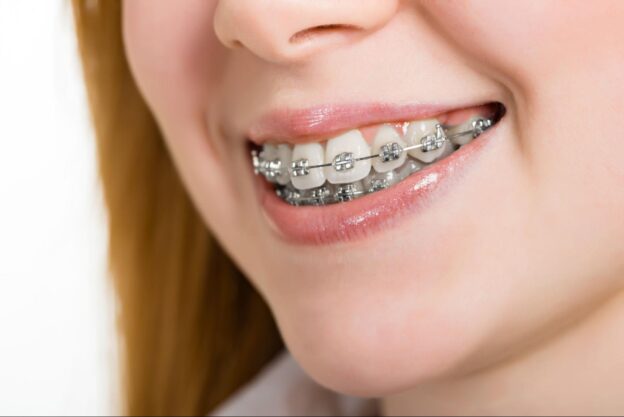
braces in Brooklyn NY for adult overbite correction

Can Braces Fix an Overbite in Adults? Results and Timeline

By Dr. Thomas Lien, DDS Yes, braces can fix many overbites in adults. The result depends on how severe the overbite is, whether the issue comes mostly from tooth position or jaw structure, and how much bite correction is needed. Adult overbite treatment is not only about making the front teeth look straighter. A deep overbite can affect how the teeth wear, how the bite feels, and how stable the final smile will be after treatment. If you are comparing adult braces in Brooklyn, NY, House of Orthodontia can evaluate your bite and explain whether metal braces, clear braces, Invisalign, rubber bands, or more advanced orthodontic planning may be the right path. What Is an Overbite? An overbite happens when the upper front teeth overlap the lower front teeth too much. A slight overlap is normal. The concern begins when the overlap is deep enough to affect tooth wear, bite...
Read More
clear Invisalign aligners

Does Invisalign Turn Yellow? Causes & Prevention Tips

By Dr. Thomas Lien, DDS Invisalign aligners are designed to be clear, but they can turn yellow if they are not cleaned properly or if they are exposed to staining drinks, food particles, plaque, or bacteria. The good news is that yellowing is usually preventable. With the right cleaning routine and a few daily habits, you can keep your aligners clearer, fresher, and less noticeable during treatment. If you are considering Invisalign in Forest Hill or nearby areas, House of Orthodontia can help you understand how clear aligner treatment works, how to care for your trays, and how to protect your smile throughout treatment. Why Invisalign Aligners Turn Yellow Clear aligners sit tightly over your teeth. That is part of what makes them effective, but it also means anything trapped between your teeth and trays can sit there for hours. Common causes of yellow Invisalign trays include: drinking colored beverages...
Read More
Clear Invisalign aligners on dental model showing healthy gums

Does Invisalign Cause Gum Recession? What Patients Should Know

By Dr. Thomas Lien, DDS Invisalign does not usually cause gum recession on its own. However, gum recession can happen during orthodontic treatment if teeth are moved outside healthy limits, if the gums are already thin, or if gum disease, aggressive brushing, poor oral hygiene, smoking, or other risk factors are present. Clear aligners may actually make oral hygiene easier than fixed braces because they can be removed for brushing and flossing, but treatment still needs careful planning and monitoring. If you are considering Invisalign in Manhattan, NY, the most important step is not simply choosing clear aligners. It is making sure your teeth, gums, bone support, and bite are healthy enough for predictable movement before treatment begins. Can Invisalign Cause Gum Recession? Invisalign is not commonly considered a direct cause of gum recession. The aligners move teeth gradually using controlled pressure, and when treatment is properly planned, that movement...
Read More
Patient wearing braces with elastic bands in Manhattan orthodontic office

Do Elastic Bands on Braces Really Work? What You Need to Know

By Dr. Thomas Lien, DDS Elastic bands on braces help move the upper and lower teeth into a better bite relationship. Brackets and wires straighten the teeth, but rubber bands often help correct how the top and bottom teeth fit together. They may be used for overbites, underbites, crossbites, open bites, midline shifts, and other bite concerns. The important part is consistency. Elastic bands only work when they are worn exactly as instructed. If you are getting braces in Manhattan, understanding how elastics work can make treatment feel less confusing and help you see why your role matters. What Do Elastic Bands Do on Braces? Elastic bands, also called orthodontic elastics or rubber bands, apply extra force between the upper and lower teeth. They are usually attached to small hooks on the braces. Your braces' wires guide the teeth into better positions within each arch. Elastic bands help connect the...
Read More
Close-up of stacked or overlapping teeth of a man. Also called crowded teeth.

Can Invisalign Fix Crowding? Before & After Results Explained

By Dr. Thomas Lien, DDS Yes, Invisalign can fix many cases of crowding. When crowding is mild to moderate, clear aligners can create space, guide teeth into better positions, and produce noticeable changes over time. Some cases are more complex and may respond better to braces, so the real answer depends on how severe the crowding is, how the bite fits together, and what kind of movement is needed. Crowding is not just about teeth looking crooked in photos. It usually means there is not enough room for teeth to line up properly. That can lead to overlap, rotation, teeth sitting behind one another, and a bite that does not fit together as cleanly as it should. If you are looking into Invisalign in Manhattan and Brooklyn, NY because your teeth feel crowded, the key question is whether aligners are the right treatment for your specific kind of crowding. What...
Read More
types of braces consultation

How Do Orthodontists Decide If Metal Braces Are Right for You?

Orthodontic decisions are guided by clinical evaluation rather than trends or personal preference. Before recommending any appliance, orthodontists assess how teeth align within the jaw, how the bite functions during everyday activities, and how much mechanical control is required to guide movement safely. While many patients know there are multiple alignment options available, the final decision is rooted in diagnostics, biology, and long-term oral health rather than appearance alone. In certain cases, metal braces are selected when orthodontists determine that a fixed system is necessary to achieve predictable and controlled results. This type of braces recommendation is based on how teeth reposition within bone and how the upper and lower jaws interact under functional pressure. This article explains the clinical criteria orthodontists use when deciding whether a fixed orthodontic appliance is appropriate and how those decisions support effective, stable outcomes over time. Clinical Evaluation as the Starting Point Every orthodontic...
Read More
orthodontic tooth movement pressure and tension

How Traditional Metal Braces Move Teeth: The Biomechanics Explained Step by Step

Many patients begin orthodontic care without fully understanding what is happening beneath the surface of their smile. Teeth may appear solid and immovable, yet over time they shift into healthier alignment with remarkable precision. This transformation is not random or force-driven. It is guided by carefully planned biomechanics that work in coordination with the body’s natural biological processes. Understanding how braces move teeth helps explain why orthodontic care takes time, why pressure must be applied gradually, and why consistency is essential throughout treatment. Traditional braces are designed to guide teeth safely by triggering controlled biological responses rather than pushing teeth aggressively through bone. This article explains how braces move teeth step by step by examining force application, tissue response, and bone remodeling. By understanding each phase, patients gain clarity on what makes braces predictable, effective, and biologically safe. Step 1 – Metal Braces Apply Controlled Orthodontic Force Traditional braces function...
Read More
orthodontic relapse

The Science of Orthodontic Relapse: Why Teeth Shift and How to Stop It for Life

Many people assume that once their braces come off or their aligner treatment ends, their straight smile will stay in place forever. But for countless patients, orthodontic relapse, the gradual return of misalignment, comes as an unexpected surprise. What most don’t realize is that teeth shifting is a natural biological process, and without the right long-term habits, the smile they worked hard to achieve may slowly drift out of alignment. Even with the best orthodontic treatment, teeth are never fully “locked” into place; they remain dynamic and responsive to pressure, growth, and age-related changes. Understanding why tooth movement continues after treatment is incredibly important. When patients know what’s happening beneath the surface, they’re more prepared to protect their investment and maintain long-term results. This blog breaks down the real science behind orthodontic relapse, explains why the body naturally encourages teeth to move, and shares proven strategies like proper use of...
Read More