
By Dr. Thomas Lien, DDS
Invisalign does not usually cause gum recession on its own. However, gum recession can happen during orthodontic treatment if teeth are moved outside healthy limits, if the gums are already thin, or if gum disease, aggressive brushing, poor oral hygiene, smoking, or other risk factors are present.
Clear aligners may actually make oral hygiene easier than fixed braces because they can be removed for brushing and flossing, but treatment still needs careful planning and monitoring.
If you are considering Invisalign in Manhattan, NY, the most important step is not simply choosing clear aligners. It is making sure your teeth, gums, bone support, and bite are healthy enough for predictable movement before treatment begins.
Can Invisalign Cause Gum Recession?
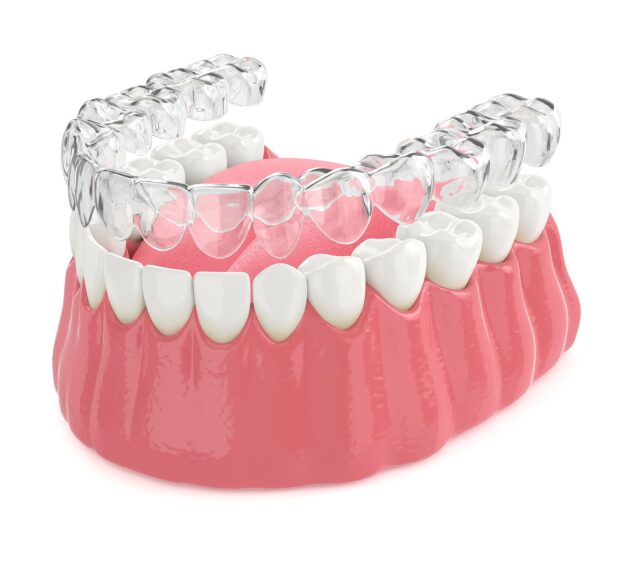
Invisalign is not commonly considered a direct cause of gum recession. The aligners move teeth gradually using controlled pressure, and when treatment is properly planned, that movement should stay within healthy biological limits.
The concern is that any orthodontic treatment, including clear aligners or braces, can place pressure on the teeth and supporting tissues. If the gums are already vulnerable, or if a tooth is moved too far outside the bone that supports it, recession may become more noticeable. Periodontal specialists note that moving teeth with braces or aligners can make some teeth more vulnerable to recession when other risk factors are present.
So the better answer is this: Invisalign does not usually cause gum recession by itself, but it can contribute to recession if treatment is not planned around gum health.
What Is Gum Recession?

Gum recession happens when the gum tissue pulls back from the tooth, exposing more of the tooth or the root surface. This can make the tooth look longer and may lead to sensitivity, especially near the gumline.
Common causes of gum recession include aggressive brushing, plaque and tartar buildup, periodontal disease, gum trauma, abnormal tooth positioning, tobacco use, and other oral health factors.
Normal Invisalign Changes vs. Gum Recession Warning Signs
| What You Notice | May Be Normal During Invisalign? | When to Call Your Orthodontist |
| Mild pressure when switching trays | Yes | If pain feels sharp or does not improve |
| Slight tenderness for a day or two | Yes | If tenderness becomes worse over time |
| Temporary tightness around teeth | Yes | If a tray feels painfully tight or does not seat |
| Bleeding when brushing or flossing | No | If bleeding happens often |
| Teeth looking longer | No | If the gumline appears to be moving back |
| New sensitivity near the gumline | Not usually | If sensitivity is persistent or worsening |
What Actually Raises the Risk of Gum Recession During Invisalign?
Gum recession usually has more than one cause. Invisalign may be part of the picture in some cases, but the bigger issue is often the condition of the gums before treatment and how the teeth are moved during treatment.
| Risk Factor | How It Can Affect the Gums | What Helps |
| Thin gum tissue | Less tissue coverage around the tooth may increase recession risk | Careful evaluation before treatment |
| Existing gum disease | Inflammation and bone loss can weaken the support around teeth | Dental or periodontal treatment first |
| Aggressive brushing | Hard pressure can wear away gum tissue over time | Soft-bristled brush and gentle technique |
| Poor oral hygiene | Plaque buildup can irritate gums and worsen inflammation | Daily brushing, flossing, and aligner cleaning |
| The teeth moved too far forward | Movement outside healthy bone support may expose vulnerable areas | Precise orthodontic planning |
| Smoking or dry mouth | Can affect gum health and healing | Risk discussion before treatment |
This is why Invisalign should not be treated like a mail-order cosmetic product. It is orthodontic treatment, and the gums need to be part of the diagnosis.
How Invisalign Can Affect Your Gums
Invisalign moves teeth in small stages. Each aligner places pressure on specific teeth to guide them toward a planned position. That pressure is expected, but it should be controlled.
Clear aligners can affect gum health in a few ways:
- They can make brushing and flossing easier because they are removable.
- They can trap bacteria if placed over unclean teeth.
- They can irritate the gums if the tray edge is rough or poorly fitting.
- They can reveal an existing recession as crowded teeth begin to align.
- They can create problems if teeth are moved without enough attention to bone and gum support.
Research comparing clear aligners and fixed braces has found that clear aligners may have periodontal advantages in some cases, partly because they make hygiene easier. However, evidence is not strong enough to say that aligners completely prevent recession or always reduce periodontal risk.
Signs of Gum Recession to Watch For
Gum recession is not always painful at first. That is why visual changes and sensitivity matter.
Watch for:
- teeth that appear longer than before
- sensitivity near the gumline
- visible root exposure
- gum tissue pulling away from one or more teeth
- bleeding when brushing or flossing
- tenderness, swelling, or redness around the gums
If any of these changes appear during Invisalign treatment, do not ignore them or simply switch to the next tray. The safer move is to contact your orthodontist and have the area checked.
Who Has a Higher Risk of Gum Recession with Invisalign?
Some patients can wear Invisalign with very low gum-related risk. Others need closer evaluation before starting.
You may have a higher risk if you:
- already have gum recession
- have a history of gum disease
- have thin gum tissue
- brush too hard
- have crowded teeth or teeth positioned outside the ideal arch
- smoke or use tobacco
- have dry mouth
- have had previous orthodontic treatment and relapse
- have untreated plaque or tartar buildup
This does not automatically mean Invisalign is unsafe for you. It means your treatment plan needs to be more carefully designed.
How an Orthodontist Helps Protect Your Gums During Invisalign
Good Invisalign planning should look beyond how straight the teeth will appear at the end. The gums, bone support, bite, and tooth position all matter.
A careful Invisalign evaluation may include:
- Checking gum health
The orthodontist looks for recession, inflammation, bleeding, and areas where tissue may be thin. - Reviewing tooth position
Teeth that are already pushed forward or crowded may need more careful movement. - Using digital scans and treatment planning
Digital planning helps map tooth movement before treatment begins. - Monitoring progress
Regular check-ins help catch fit problems, hygiene issues, or gum changes early. - Coordinating with a dentist or periodontist when needed
If gum disease or significant recession is present, periodontal care may be recommended before or during Invisalign.
At House of Orthodontia, Invisalign treatment is planned around more than tray fit. Dr. Thomas Lien, DDS, brings board-certified orthodontic expertise and advanced planning experience to help patients understand whether clear aligners are the right choice for their teeth, bite, and gum health.
How to Protect Your Gums During Invisalign
Your daily habits matter during clear aligner treatment. Invisalign gives you the advantage of removing your trays, but that advantage only helps if you keep your teeth and aligners clean.
Steps to protect your gums
- Brush gently twice a day
Use a soft-bristled toothbrush and avoid scrubbing hard along the gumline. - Clean between your teeth daily
Flossing or using interdental cleaners helps remove plaque where brushing cannot reach. - Rinse or brush before putting the aligners back in
Do not trap food, sugar, or bacteria under your trays. - Keep your aligners clean
Dirty aligners can hold bacteria close to your teeth and gums. - Wear trays as instructed
Skipping wear time or forcing trays can interfere with planned movement. - Keep your check-ins
Regular monitoring helps your orthodontist make sure the teeth and gums are responding well. - Report changes early
Sensitivity, bleeding, exposed roots, or gums pulling back should be checked promptly.
Should You Stop Invisalign If Your Gums Start Receding?
Do not stop treatment on your own without speaking to your orthodontist. Stopping suddenly may interrupt tooth movement and affect the treatment plan.
Instead, schedule an evaluation. Your orthodontist may check the tray fit, pause movement in a specific area, adjust the plan, improve hygiene guidance, or recommend a periodontal evaluation if needed.
The earlier the issue is checked, the easier it is to protect the gums and keep treatment on track.
Invisalign in Manhattan, NY, with Gum Health in Mind

If you are looking for Invisalign in Manhattan, NY, House of Orthodontia offers clear aligner treatment with careful planning and a strong focus on long-term oral health. The goal is not just a straighter smile. It is a result that works with your teeth, bite, gums, and facial structure.
Dr. Thomas Lien, DDS, is a board-certified orthodontist with advanced training in orthodontics and dentofacial orthopedics. For patients concerned about gum recession, that expertise matters. Invisalign should begin with a clear understanding of what is safe, what is realistic, and what needs attention before tooth movement starts.
House of Orthodontia sees patients at its Manhattan office at 601 E. 12th St., New York, NY 10009. New patients can call 332-895-1779, while current patients can call 212-392-4789.
Final Takeaway: Invisalign Should Be Planned Around Healthy Gums
Invisalign does not usually cause gum recession by itself. The bigger risks are thin gum tissue, existing gum disease, aggressive brushing, poor oral hygiene, smoking, and tooth movement that is not planned around healthy bone and gum support.
If your gums are healthy and your treatment is carefully planned, Invisalign can be a comfortable and effective way to improve your smile. If there are gum concerns, the best first step is to identify them before treatment begins.
House of Orthodontia helps patients understand whether Invisalign is right for their teeth, bite, and gum health. If you are considering Invisalign in Manhattan, NY, or have noticed changes in your gums during treatment, schedule a consultation to get clear answers before moving forward.
Frequently Asked Questions
Does Invisalign cause gum recession?
Invisalign does not usually cause gum recession on its own. Recession is more likely when there are existing gum problems, thin gum tissue, aggressive brushing, poor hygiene, or tooth movement that needs closer planning.
Can Invisalign make existing gum recession worse?
It can, in some cases, especially if the recession is active, the gums are thin, or the teeth need significant movement. An orthodontic evaluation can help determine whether Invisalign is safe or whether gum treatment should come first.
Is gum recession common with Invisalign?
It is not considered a common direct effect of Invisalign, but it can happen during orthodontic treatment when risk factors are present. That is why gum health should be checked before and during treatment.
What should I do if my gums start pulling back during Invisalign?
Call your orthodontist instead of waiting for your next routine visit. Your aligner fit, tooth movement, brushing habits, and gum health may need to be reviewed.
Can I get Invisalign if I already have gum recession?
Possibly. A mild, stable recession does not always prevent Invisalign treatment. However, active gum disease, severe recession, or poor bone support may need treatment or specialist input first.
How can I protect my gums while wearing Invisalign?
Brush gently, floss daily, clean your aligners, avoid placing trays over dirty teeth, keep your check-ins, and report gumline changes early. Good planning and daily care work together to protect your gums.

