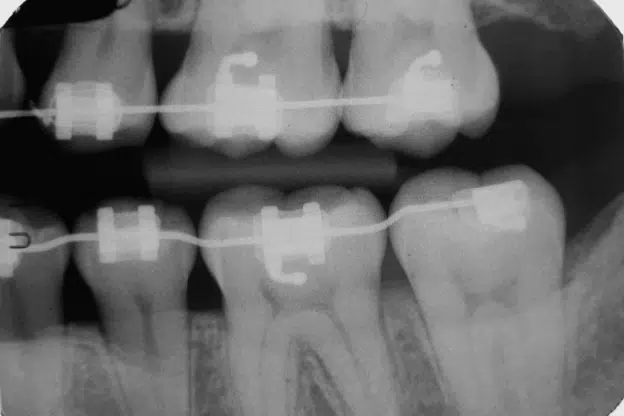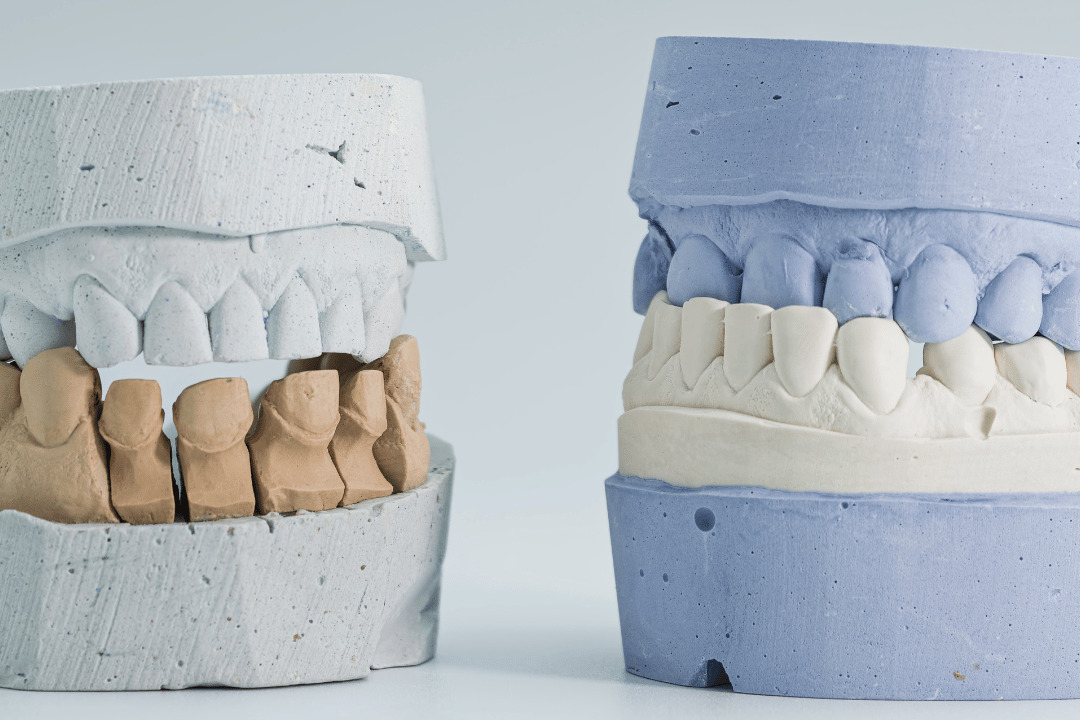
Many patients begin orthodontic care without fully understanding what is happening beneath the surface of their smile. Teeth may appear solid and immovable, yet over time they shift into healthier alignment with remarkable precision. This transformation is not random or force-driven. It is guided by carefully planned biomechanics that work in coordination with the body’s natural biological processes. Understanding how braces move teeth helps explain why orthodontic care takes time, why pressure must be applied gradually, and why consistency is essential throughout treatment. Traditional braces are designed to guide teeth safely by triggering controlled biological responses rather than pushing teeth aggressively through bone. This article explains how braces move teeth step by step by examining force application, tissue response, and bone remodeling. By understanding each phase, patients gain clarity on what makes braces predictable, effective, and biologically safe. Step 1 – Metal Braces Apply Controlled Orthodontic Force Traditional braces function...
Read More