Tag Archives: orthodontic treatment

types of braces consultation

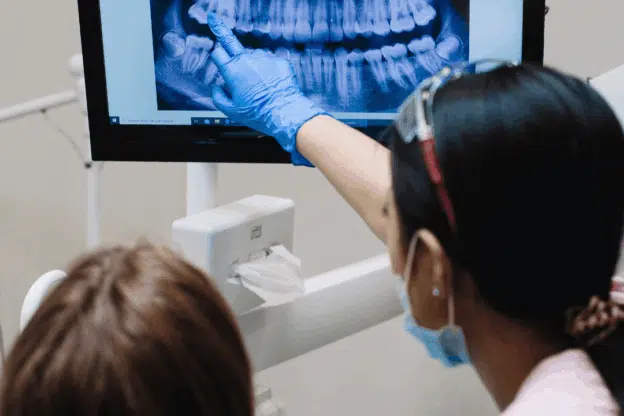
How Do Orthodontists Decide If Metal Braces Are Right for You?

Orthodontic decisions are guided by clinical evaluation rather than trends or personal preference. Before recommending any appliance, orthodontists assess how teeth align within the jaw, how the bite functions during everyday activities, and how much mechanical control is required to guide movement safely. While many patients know there are multiple alignment options available, the final decision is rooted in diagnostics, biology, and long-term oral health rather than appearance alone. In certain cases, metal braces are selected when orthodontists determine that a fixed system is necessary to achieve predictable and controlled results. This type of braces recommendation is based on how teeth reposition within bone and how the upper and lower jaws interact under functional pressure. This article explains the clinical criteria orthodontists use when deciding whether a fixed orthodontic appliance is appropriate and how those decisions support effective, stable outcomes over time. Clinical Evaluation as the Starting Point Every orthodontic...
Read More

orthodontic tooth movement pressure and tension

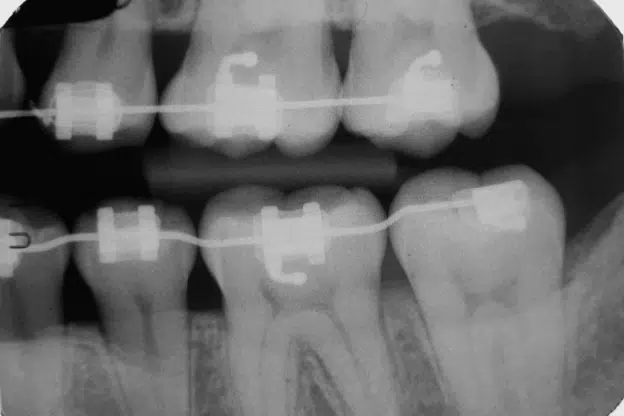
How Traditional Metal Braces Move Teeth: The Biomechanics Explained Step by Step

Many patients begin orthodontic care without fully understanding what is happening beneath the surface of their smile. Teeth may appear solid and immovable, yet over time they shift into healthier alignment with remarkable precision. This transformation is not random or force-driven. It is guided by carefully planned biomechanics that work in coordination with the body’s natural biological processes. Understanding how braces move teeth helps explain why orthodontic care takes time, why pressure must be applied gradually, and why consistency is essential throughout treatment. Traditional braces are designed to guide teeth safely by triggering controlled biological responses rather than pushing teeth aggressively through bone. This article explains how braces move teeth step by step by examining force application, tissue response, and bone remodeling. By understanding each phase, patients gain clarity on what makes braces predictable, effective, and biologically safe. Step 1 – Metal Braces Apply Controlled Orthodontic Force Traditional braces function...
Read More
orthodontic relapse

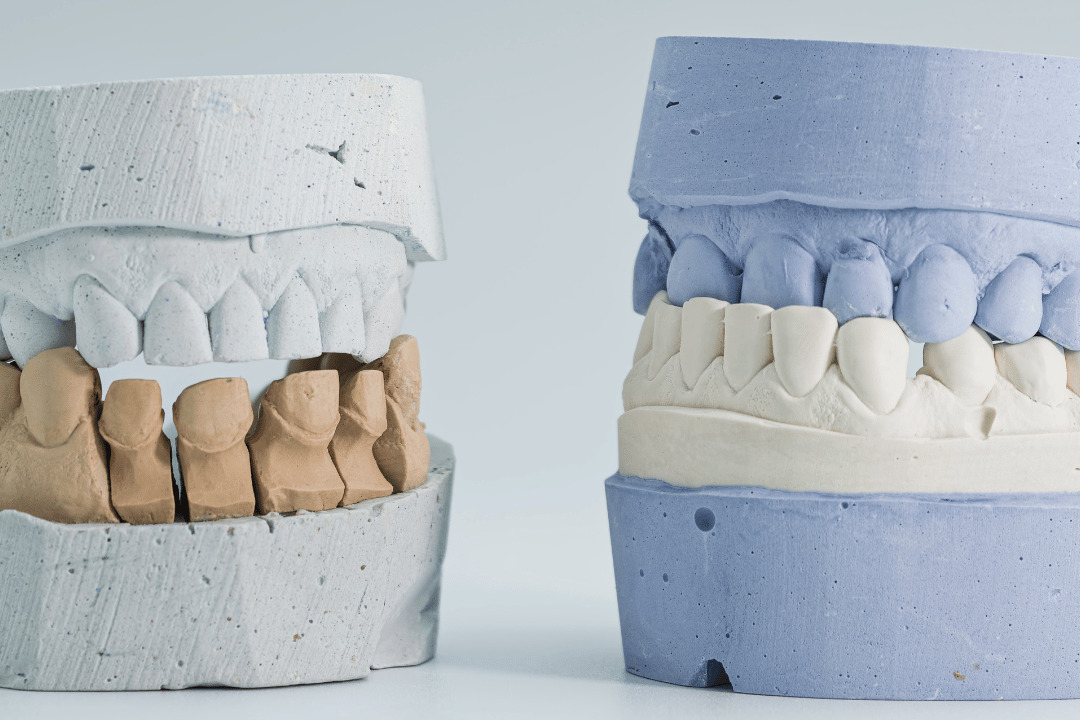
The Science of Orthodontic Relapse: Why Teeth Shift and How to Stop It for Life

Many people assume that once their braces come off or their aligner treatment ends, their straight smile will stay in place forever. But for countless patients, orthodontic relapse, the gradual return of misalignment, comes as an unexpected surprise. What most don’t realize is that teeth shifting is a natural biological process, and without the right long-term habits, the smile they worked hard to achieve may slowly drift out of alignment. Even with the best orthodontic treatment, teeth are never fully “locked” into place; they remain dynamic and responsive to pressure, growth, and age-related changes. Understanding why tooth movement continues after treatment is incredibly important. When patients know what’s happening beneath the surface, they’re more prepared to protect their investment and maintain long-term results. This blog breaks down the real science behind orthodontic relapse, explains why the body naturally encourages teeth to move, and shares proven strategies like proper use of...
Read More
better airflow through orthodontic expansion

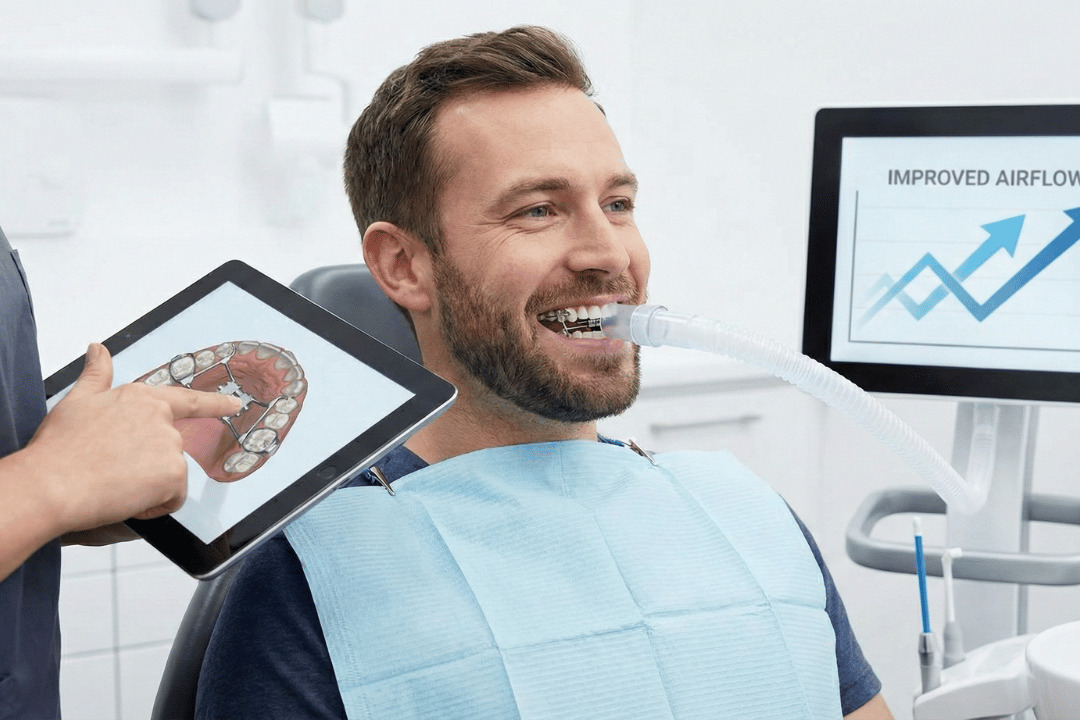
Orthodontic Airway Expansion: How Modern Treatments Improve Breathing, Sleep, and Overall Health

For many people struggling with breathing problems or ongoing sleep issues, the first solutions that come to mind are medical treatments, new pillows, or lifestyle changes. What often gets overlooked is how much the size and shape of the airway affects these everyday challenges. Modern orthodontic care offers an effective way to improve airflow and support healthy jaw growth, helping patients breathe more comfortably and sleep more soundly. When an orthodontist gently widens the upper jaw through specialized treatment, the airway becomes more open and stable. Many patients notice deeper sleep, easier nasal breathing, and improved daytime energy as a result. This blog explores how this advanced form of orthodontic treatment works, why it matters for long-term health, and how it’s helping both children and adults experience better breathing and better-quality rest. Widening the Airway for Better Breathing Many people living with long-term breathing problems never realize that their airway...
Read More
Digital scan before braces placement

Are Traditional Metal Braces Still Effective for Teens?

If your teen needs orthodontic treatment, you’ve probably heard plenty about clear aligners, ceramic braces, and other modern options. But there’s one classic solution that continues to stand the test of time: traditional metal braces. You might be wondering, are metal braces still effective for teens in 2025? The short answer: absolutely. While today’s orthodontic landscape offers more choices than ever, traditional metal braces remain one of the most dependable and efficient ways to straighten teeth and correct bite problems. At House of Orthodontia, we treat hundreds of teens every year, and many still choose metal braces for their proven results. Let’s break down why this tried and true method continues to deliver exceptional outcomes and how it compares to newer alternatives like Invisalign®. The Science Behind Traditional Metal Braces Metal braces use a combination of brackets, archwires, and elastics to apply steady pressure, gradually moving teeth into their ideal...
Read More