Many people assume that once their braces come off or their aligner treatment ends, their straight smile will stay in place forever. But for countless patients, orthodontic relapse, the gradual return of misalignment, comes as an unexpected surprise. What most don’t realize is that teeth shifting is a natural biological process, and without the right long-term habits, the smile they worked hard to achieve may slowly drift out of alignment. Even with the best orthodontic treatment, teeth are never fully “locked” into place; they remain dynamic and responsive to pressure, growth, and age-related changes.
Understanding why tooth movement continues after treatment is incredibly important. When patients know what’s happening beneath the surface, they’re more prepared to protect their investment and maintain long-term results. This blog breaks down the real science behind orthodontic relapse, explains why the body naturally encourages teeth to move, and shares proven strategies like proper use of retainers to help keep your smile beautifully aligned for life.
Why Teeth Shift After Braces — The Real Biology Behind It
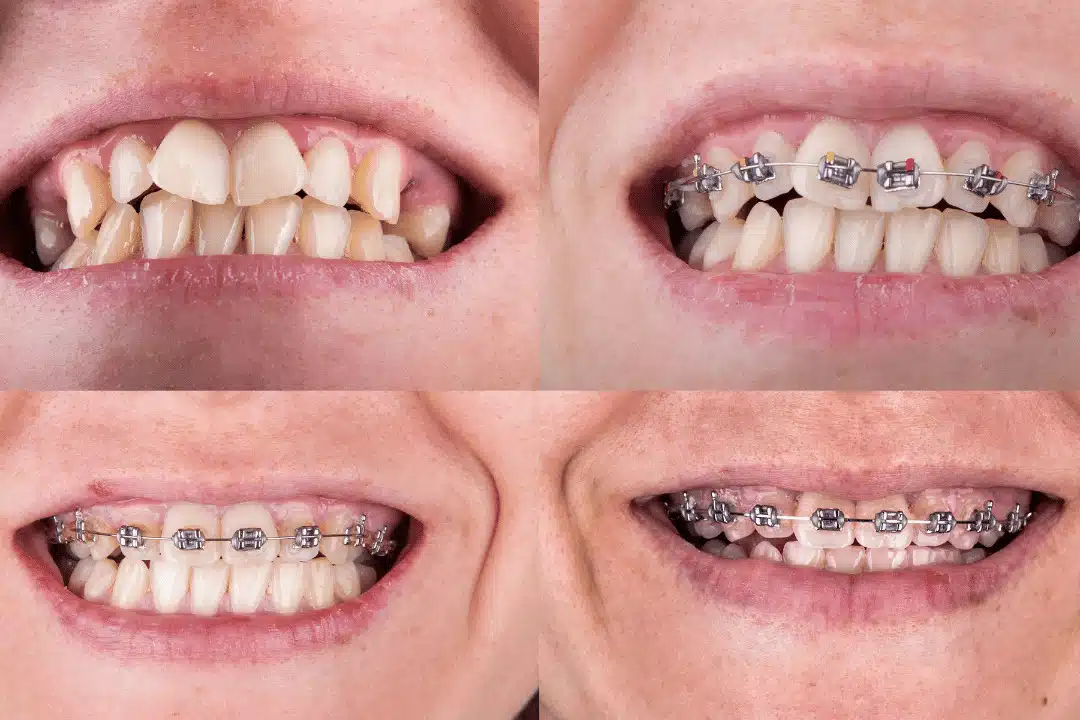
Many people are surprised to discover that teeth shifting after orthodontics is completely normal. Teeth are held in place by ligaments and bone, both of which continue adapting long after braces or aligners come off.
Ligaments and Bone Are Designed to Move
Orthodontic treatment works by stimulating controlled tooth movement, and the tissues around each tooth naturally respond by reshaping themselves. After treatment, these fibers slowly try to pull the teeth back toward their original positions, which is one of the main contributors to orthodontic relapse.
Everyday Forces Play a Big Role
Even after treatment ends, many daily habits apply pressure to teeth, such as:
- Chewing
- Clenching or grinding
- Sleeping positions
- Swallowing patterns
- Natural bone remodeling
These constant forces encourage subtle shifting over time.
Growth and Aging Affect Alignment
Even adults experience skeletal shifts throughout life. Jaw growth, changes in facial structure, and natural aging can influence how stable teeth remain. Without a long-term retention plan, these gradual changes can cause noticeable misalignment.
Teeth are not static; they respond to the body’s biology, which is why relapse remains a possibility for everyone.
How Retainers Keep Teeth From Moving Back
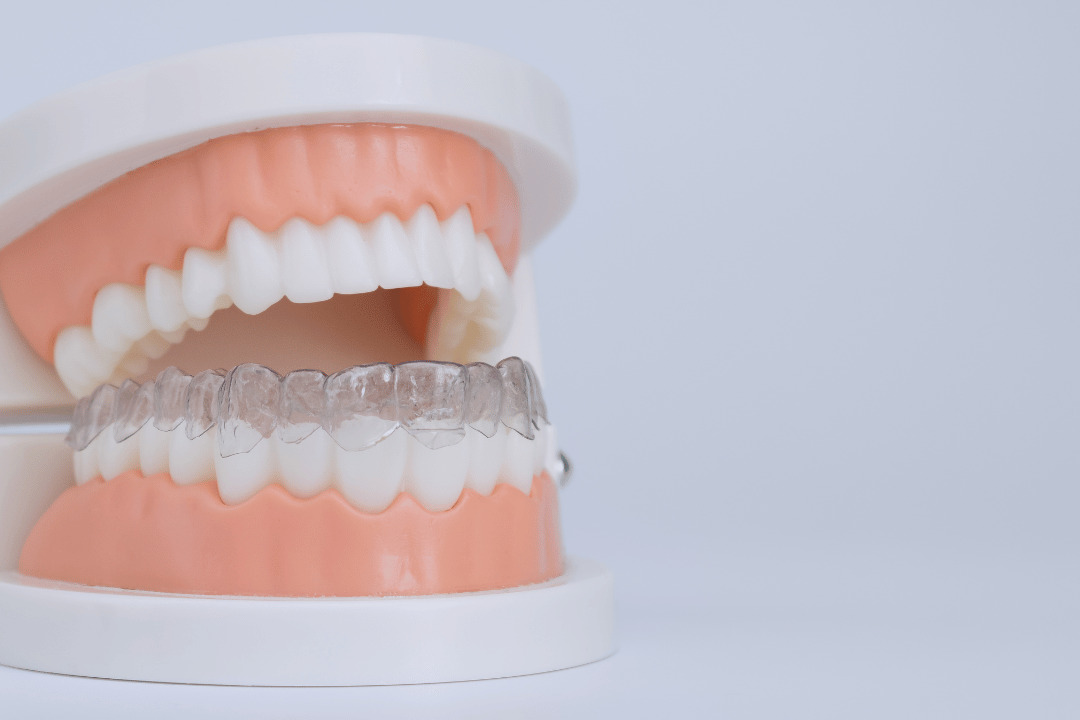
One of the simplest and most effective ways to prevent orthodontic relapse is consistent use of retainers. These custom appliances act like a seatbelt holding teeth in their corrected positions and preventing unwanted tooth movement.
Why Retainers Are Non-Negotiable
The body continues to remodel bone and ligament tissues long after treatment ends. Without a retainer, these structures may guide the teeth back toward their old, misaligned positions. Wearing retainers regularly helps protect your long-term results and maintains the alignment achieved through orthodontic treatment.
Types of Retainers and When They Work Best
Most orthodontic offices recommend one of the following:
- Removable Retainers
Great for daily wear, easy cleaning, and long-term maintenance. - Fixed Retainers
Bonded behind the teeth and ideal for patients prone to relapse. - Clear Retainers
Popular for comfort and durability while preventing teeth shifting.
How Long Do You Need to Wear Retainers?
The honest answer: for life. Teeth naturally move as we age, and wearing retainers even just a few nights a week ensures they stay exactly where they belong.
Lifestyle Habits That Cause Orthodontic Relapse
While biology plays a major role, certain habits can accelerate orthodontic relapse. Recognizing these habits early can help maintain the smile you achieved through orthodontic treatment.
Grinding and Clenching
Nighttime grinding places continuous pressure on teeth, encouraging teeth shifting over time.
Mouth Breathing and Tongue Posture
The way the tongue rests impacts dental alignment. Poor posture or mouth breathing allows teeth to drift inward or outward.
Skipping Retainer Wear
Even missing a few weeks can cause noticeable tooth movement, especially within the first year post-treatment.
Aging and Natural Shifts
As we get older, bone density, gum support, and facial structure slowly change subtle factors that affect alignment.
Identifying these triggers early makes it easier to protect your alignment and maintain long-term results.
How Today’s Orthodontic Treatment Prevents Future Relapse
Modern orthodontics has evolved far beyond traditional braces. Today’s approaches are designed not only to straighten teeth but also to create stable foundations that reduce the risk of relapse.
Treating the Root Cause, Not Just the Teeth
Some cases of misalignment stem from narrow arches, incorrect bite patterns, or jaw imbalances. Addressing these underlying issues leads to more stable results.
Digital Retention Plans
Many orthodontists now create customized retention programs tailored to each patient’s unique patterns of tooth movement. This ensures ongoing protection and fewer surprises over time.
Long-Term Monitoring
Annual or semi-annual orthodontic checkups help identify early teeth shifting, giving patients time to correct any relapse before it becomes noticeable.
By combining updated treatment methods with consistent retainer use, patients can dramatically reduce the risk of orthodontic relapse.
How House of Orthodontia Protects Your Smile for Life
At House of Orthodontia, patients receive more than just straight teeth. Our team focuses on creating long-term results through careful planning, advanced diagnostics, and personalized retention strategies. With locations in Manhattan and Brooklyn, our specialists use cutting-edge tools to identify early signs of teeth shifting and design treatment plans that prevent future orthodontic relapse.
Whether you need updated retainers, retreatment, or long-term monitoring, our team is committed to protecting the smile you worked hard to achieve. With comprehensive education and supportive care, we help patients reduce tooth movement, maintain alignment, and feel confident in their lifelong orthodontic health.
Ready to Keep Your Smile Straight for Life?
If you’re noticing teeth shifting or want to prevent orthodontic relapse, House of Orthodontia is here to help. From custom retainers to comprehensive follow-up care, we provide everything you need to protect your investment and enjoy long-term results. Schedule your consultation today and take the first step toward a smile that stays beautifully aligned for life.