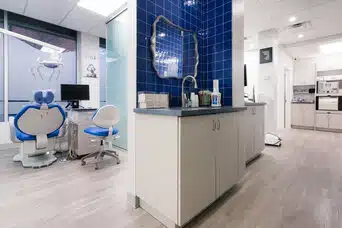

Orthodontic decisions are guided by clinical evaluation rather than trends or personal preference. Before recommending any appliance, orthodontists assess how teeth align within the jaw, how the bite functions during everyday activities, and how much mechanical control is required to guide movement safely. While many patients know there are multiple alignment options available, the final decision is rooted in diagnostics, biology, and long-term oral health rather than appearance alone.
In certain cases, metal braces are selected when orthodontists determine that a fixed system is necessary to achieve predictable and controlled results. This type of braces recommendation is based on how teeth reposition within bone and how the upper and lower jaws interact under functional pressure.
This article explains the clinical criteria orthodontists use when deciding whether a fixed orthodontic appliance is appropriate and how those decisions support effective, stable outcomes over time.
Clinical Evaluation as the Starting Point
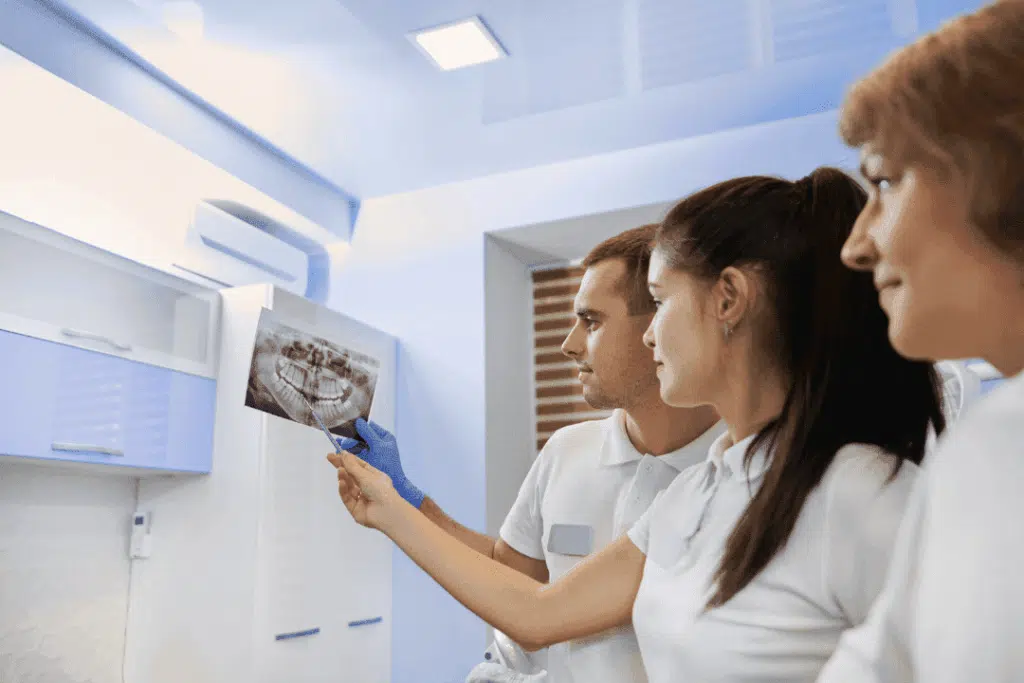
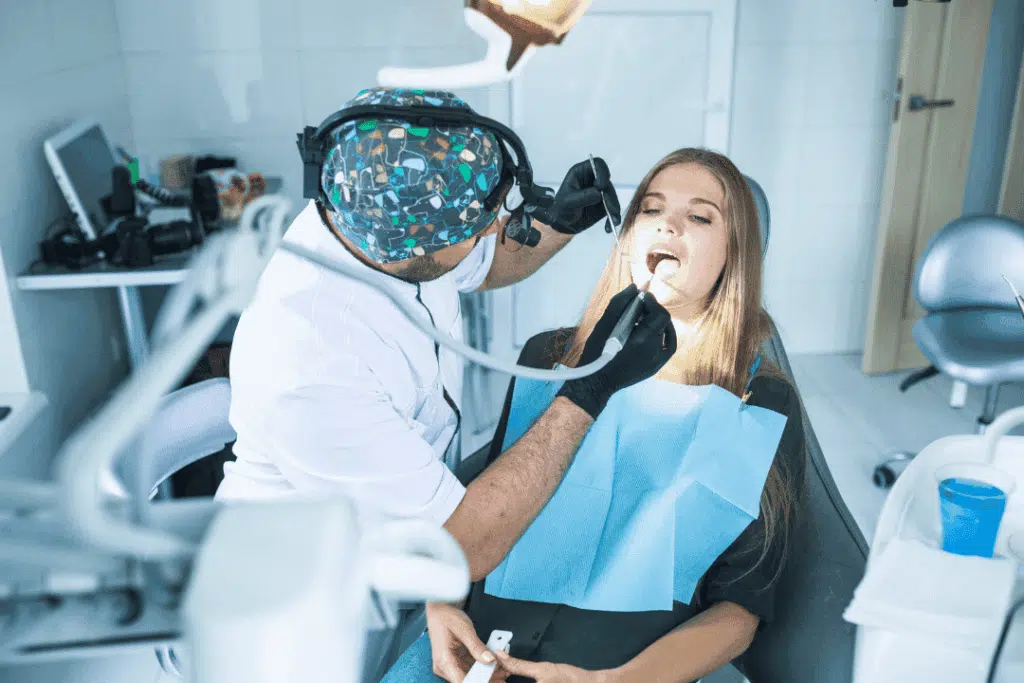
Every orthodontic case begins with a comprehensive clinical evaluation. This process includes digital scans, X-rays, photographs, and bite analysis to create a complete picture of tooth position, jaw relationships, and skeletal balance. These records allow orthodontists to identify issues that may not be visible during a basic visual exam.
During this evaluation, orthodontists determine which types of braces can address the patient’s specific needs. Factors such as spacing, crowding, jaw symmetry, and bite depth all influence appliance selection and help guide the overall braces recommendation.
A thorough evaluation ensures that treatment decisions are based on structural realities rather than assumptions.
Severity of Tooth Misalignment
The extent of tooth crowding or spacing plays a major role in appliance selection. Mild alignment concerns may be managed with different approaches, but more severe cases often require greater mechanical control.
Metal braces are frequently recommended when teeth are significantly crowded, rotated, or overlapping. Their fixed design allows orthodontists to move multiple teeth at once while maintaining precise control over direction and timing.
In cases where space must be redistributed carefully across the dental arch, this level of control supports predictable correction.
Bite Alignment and Functional Concerns
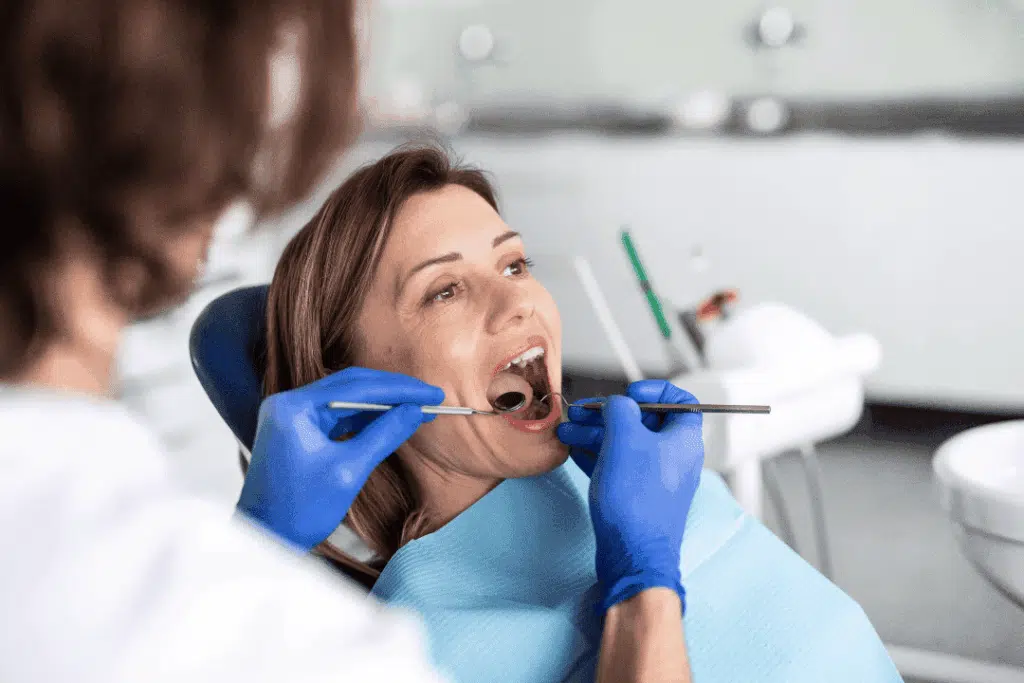
Bite issues affect more than appearance. They influence chewing efficiency, jaw comfort, and long-term wear on teeth. Conditions such as overbites, underbites, crossbites, and open bites often require coordinated correction rather than isolated tooth movement.
Orthodontists assess bite function carefully when comparing types of braces, particularly when jaw relationships contribute to misalignment. Fixed systems allow directional force to be applied while incorporating elastics or additional components to guide bite correction.
For functional concerns, stability and control are key factors influencing a braces recommendation.
Required Tooth Movement Complexity
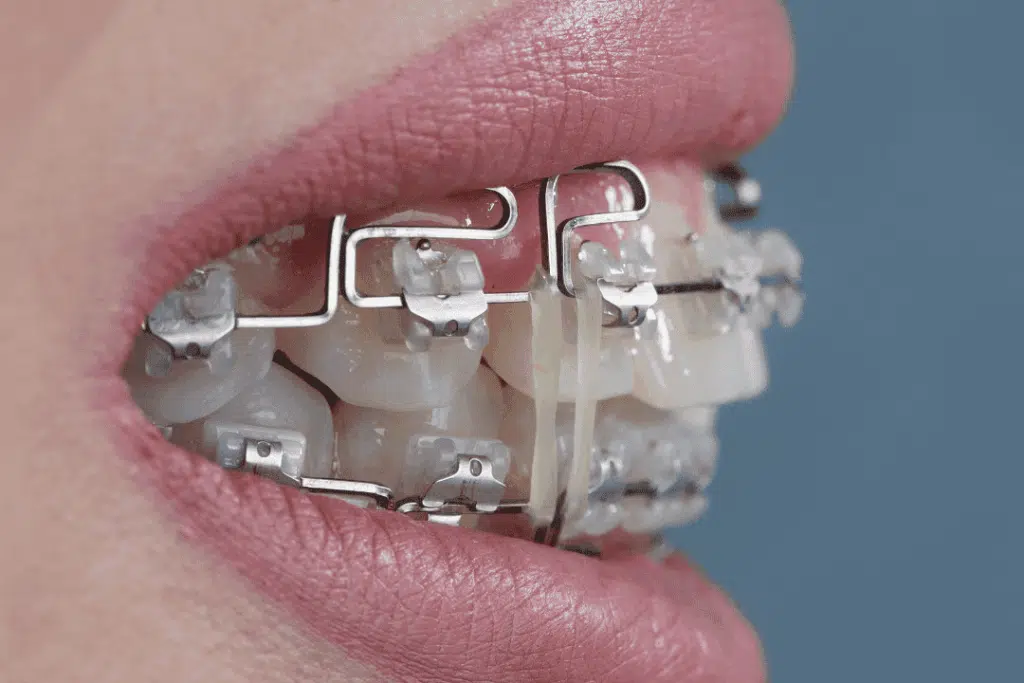
Not all orthodontic movement is the same. Some cases require rotation of teeth, others involve vertical repositioning, and some demand bodily movement of teeth through bone. The type and direction of movement required strongly influence appliance selection.
Because metal braces allow consistent force application across multiple dimensions, they are often chosen for cases involving complex movement patterns. This versatility allows orthodontists to coordinate several adjustments at once without compromising precision.
When movement demands exceed simple alignment, fixed systems provide the adaptability needed for detailed planning.
Biological Response and Bone Support
Orthodontic planning must account for how bone and surrounding tissues respond to force. Bone density, root length, and gum health all influence how teeth can move safely over time.
Orthodontists may recommend metal braces when gradual, carefully regulated force is needed to protect biological structures. Fixed appliances allow force levels to be adjusted incrementally, reducing stress on roots and supporting healthy bone adaptation.
This biological consideration is a key reason fixed systems remain part of modern orthodontic decision-making.
Age and Growth Considerations
Growth patterns influence orthodontic planning, especially for younger patients whose jaws are still developing. Orthodontists evaluate skeletal growth and tooth eruption timing to determine when and how intervention should occur.
Because fixed appliances can be modified throughout growth phases, they remain a reliable option in long-term care strategies. Adjustments can be made as development continues, allowing orthodontists to guide alignment in harmony with natural growth.
In these cases, timing plays a significant role in shaping the final braces recommendation.
Consistency and Treatment Control
Consistent force application is essential for predictable progress. Fixed appliances remain active at all times, delivering continuous guidance without interruption.
For this reason, orthodontists often prefer systems that provide reliable control without relying on daily patient actions. This consistency helps prevent delays and supports steady movement throughout the course of care.
In situations where uninterrupted force is clinically important, fixed systems provide a clear advantage.
Predictability and Long-Term Stability
Orthodontic care is evaluated not only by how teeth look at the end of alignment, but by how stable those results remain over time. Predictable biomechanics are essential for achieving lasting outcomes.
Because fixed systems have a long history of measured, repeatable results, they are often included in a confident braces recommendation when stability is a priority. Their mechanics are well understood, allowing orthodontists to anticipate movement and plan retention effectively.
Long-term stability remains a central goal of orthodontic planning.
How Orthodontists Compare Available Treatment Options
Orthodontists evaluate multiple types of braces before finalizing a plan. Each option offers different benefits depending on the level of control required, the type of movement involved, and the patient’s biological response.
When comparing options, orthodontists consider how each appliance supports alignment goals and whether it can manage the required corrections safely. This comparison ensures the chosen approach aligns with both functional needs and long-term outcomes.
Careful comparison is a critical step in delivering individualized care.
Frequently Asked Questions About Metal Braces
How do orthodontists decide if metal braces are the right option?
Orthodontists evaluate tooth alignment, bite function, jaw relationships, and the amount of control needed to guide movement safely. These clinical findings help determine whether a fixed appliance is the most appropriate solution.
Are metal braces only recommended for severe alignment problems?
No. While they are often used for complex cases, metal braces may also be recommended when precise, predictable control is needed, even for moderate alignment or bite concerns.
Do metal braces move teeth faster than other options?
Treatment speed depends on the individual case, not just the appliance. Metal braces are commonly used when consistent force and full control are required throughout treatment.
Why do teeth feel sore after braces are adjusted?
Mild soreness happens because the periodontal ligament is responding to newly applied pressure. This reaction is normal and usually subsides within a few days as the tissues adapt.
Can adults be candidates for metal braces?
Yes. Adults can benefit from metal braces just as effectively as younger patients. Orthodontists consider bone health, alignment needs, and treatment goals rather than age alone.
Schedule an Orthodontic Consultation with House of Orthodontia
House of Orthodontia provides orthodontic care guided by detailed clinical evaluation and individualized treatment planning. All care is overseen by Dr. Thomas Lien, DDS, MS, a board-certified orthodontist with advanced training in tooth movement biomechanics, bite correction, and long-term smile stability.
Patients exploring fixed orthodontic solutions or learning more about available types of braces can receive clear explanations and professional guidance. House of Orthodontia proudly serves Manhattan and Brooklyn. Schedule a consultation today to discuss care options tailored to your needs.